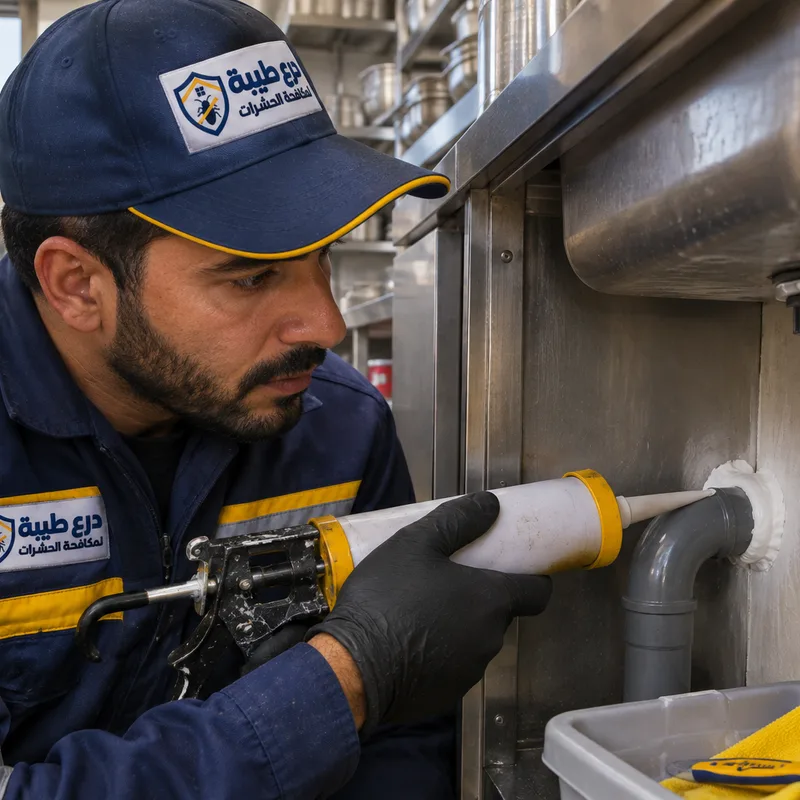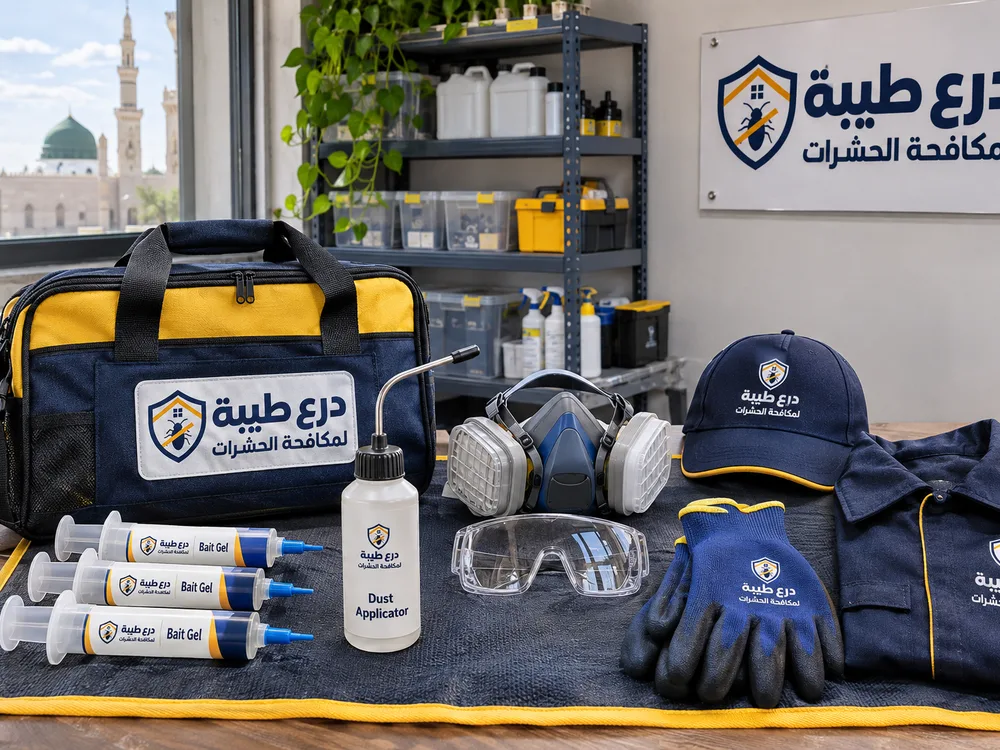
Inspection that matches food-service realities
We inspect the spots auditors and pests care about: drains, voids, equipment lines, storage rotation areas, and receiving doors. You get a practical list of fixes, not generic advice.
Serving Madinah, Al Madinah Province & surrounding areas
Mon–Fri 8am–6pm · Sat 9am–2pm
Restaurant pest control in Madinah
Protect your kitchen, staff, and reputation with discreet commercial treatments, documented service reports, and practical prevention that fits real restaurant hours.
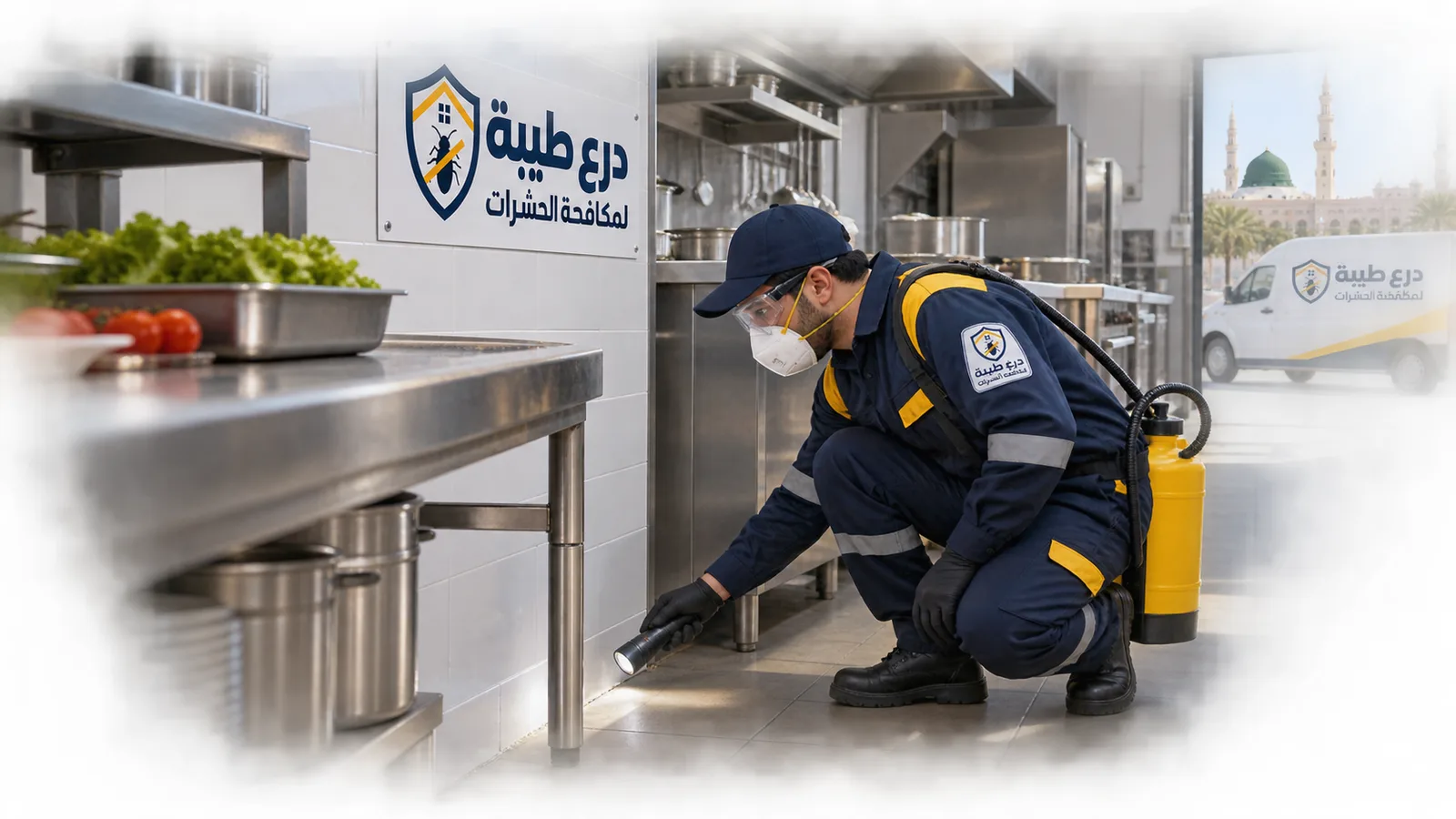
Control activity at drains, equipment lines, storage, receiving, and waste areas—not only where pests are seen.
Scheduled around restaurant prep and closing
Food-service protection
Commercial Kitchen Pest Control is different from a general pest spray. A restaurant kitchen has heat, moisture, food residues, delivery traffic, and tight service windows, so the plan has to focus on the places pests actually live: floor drains, grease lines, behind fridges, dry storage racks, dishwashing areas, and waste holding points.
At درع طيبة لمكافحة الحشرات, our pest control English team serving the Madinah area handles Restaurant Pest Control and Food Service Pest Control for operations that cannot afford disruption. We plan visits around prep and closing, keep treatment footprints low, and leave clear documentation so managers can show what was done, where, and when.
If you are dealing with sightings, failed audits, or recurring activity after deliveries, the fix is usually a tighter routine plus targeted placement. We start by mapping pressure points in your specific layout, then build a control program that your team can maintain between visits.
Most restaurant pest issues show up as patterns, not single incidents. The same few conditions keep feeding activity: warm voids behind equipment, moisture at drains, unsealed cable penetrations, and cluttered storage.
Typical targets in Food Service Pest Control include:
In Madinah, restaurants near high-foot-traffic areas and late-night operations often see more door-open time and more deliveries. That changes how we place monitors and how often we recommend inspection of entrances, door seals, and receiving routines.
Program components
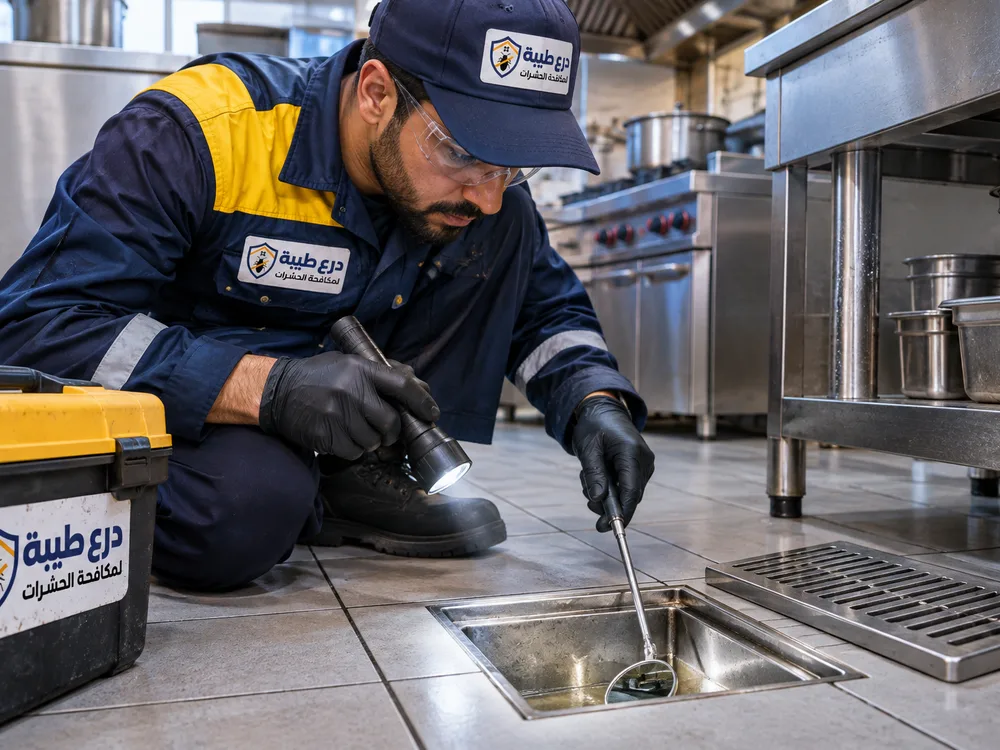
We inspect the spots auditors and pests care about: drains, voids, equipment lines, storage rotation areas, and receiving doors. You get a practical list of fixes, not generic advice.
Commercial kitchens usually respond best to targeted baits, crack-and-crevice applications, and monitoring. We choose methods that fit occupied spaces and cleaning schedules.
Glue boards, insect monitors, and rodent stations are placed where they produce useful data. Each visit checks placements, pressure points, and any new risk areas.
Small changes matter: how bins are staged, how cardboard is handled, what gets cleaned nightly versus weekly, and which gaps to seal. We translate this into a short, workable checklist.
We plan service for quieter hours, work quickly, and leave records that support internal QA and food safety expectations.
Steps of the visit
We tour BOH and FOH where relevant, then map entry points, moisture sources, and harborage zones, including equipment lines, storage, drains, and ceiling voids. We also ask about delivery timing, cleaning routines, and recent changes.
When there is active pressure, we focus on fast reduction using targeted placements and treatments suited to a kitchen environment, prioritizing cracks, voids, and non-food-contact zones.
We place and label monitors and stations in locations that catch movement early, especially along walls, behind equipment, and at receiving and waste areas.
You receive a simple service report with findings, actions taken, and specific recommendations. Typical fixes include sealing gaps, improving door sweeps, adjusting storage spacing, and tightening drain maintenance.
Commercial kitchens change fast. We review trends each visit and adjust placement and frequency based on what monitoring shows and what your team is seeing on the floor.
Planning and pricing
Commercial Kitchen Pest Control in Madinah typically ranges from about SAR 300 to SAR 1,500+ per visit, depending on kitchen size, the pest type, and whether it is a one-time treatment or a scheduled program. A small café kitchen is usually at the lower end, while larger restaurants with storage, multiple drains, and heavy equipment lines price higher.
Final pricing changes with infestation level, number of monitoring points, access after hours, and add-ons such as drain-focused fly work or rodent exclusion recommendations. The exact cost is confirmed after an on-site inspection of the kitchen and service areas.
Check AvailabilityCustomer experiences
“They worked around our closing time and focused on the areas we kept seeing activity. The report was clear, and the monitoring points helped us spot issues early instead of after a complaint.”
“We had recurring fly pressure near drains. The approach was practical: drain attention, targeted placement, and small changes to our nightly cleaning that actually fit our routine.”
Practical answers
Yes, most Restaurant Pest Control work can be scheduled around prep or after closing, and the methods are chosen to keep disruption low. The key is planning access to equipment lines, drains, and storage so treatments and monitoring can be placed quickly, then allowing normal cleaning routines to continue.
Have access to dry storage, receiving, waste holding, and the equipment line behind or under major appliances, plus any recent pest log notes from staff. The biggest time-saver is clearing a path behind fridges and under sinks so inspection and monitor placement can be completed without moving half the kitchen.
Yes, we provide written service documentation that lists findings, actions taken, and recommended corrective steps. For Food Service Pest Control, that paper trail matters as much as treatment because it shows an active program and supports internal QA checks.
Deep cleaning helps, but recurring activity usually comes from harborage and entry, not visible dirt. Common causes are floor drain buildup, gaps at pipe penetrations, door sweep failures, and warm voids in equipment bases. Control improves when treatment, monitoring, and small exclusion fixes happen together.
Most restaurants do best with a scheduled program rather than one-off visits, and the right interval depends on risk factors such as delivery frequency, operating hours, and how close waste areas are to doors. After the first inspection, we recommend a service frequency that matches your kitchen layout and monitoring results.
Yes, rodent control in food service focuses on exterior entry points, door management, and monitored stations placed where they are effective without interfering with staff movement. If the issue is driven by gaps or damaged sweeps, we point out the specific locations that need sealing or repair so control holds long-term.
Tell us what you are seeing and your operating hours. We will inspect the kitchen, identify the pressure points—drains, equipment lines, storage, and entry points—and outline a practical Commercial Kitchen Pest Control program you can maintain between visits.